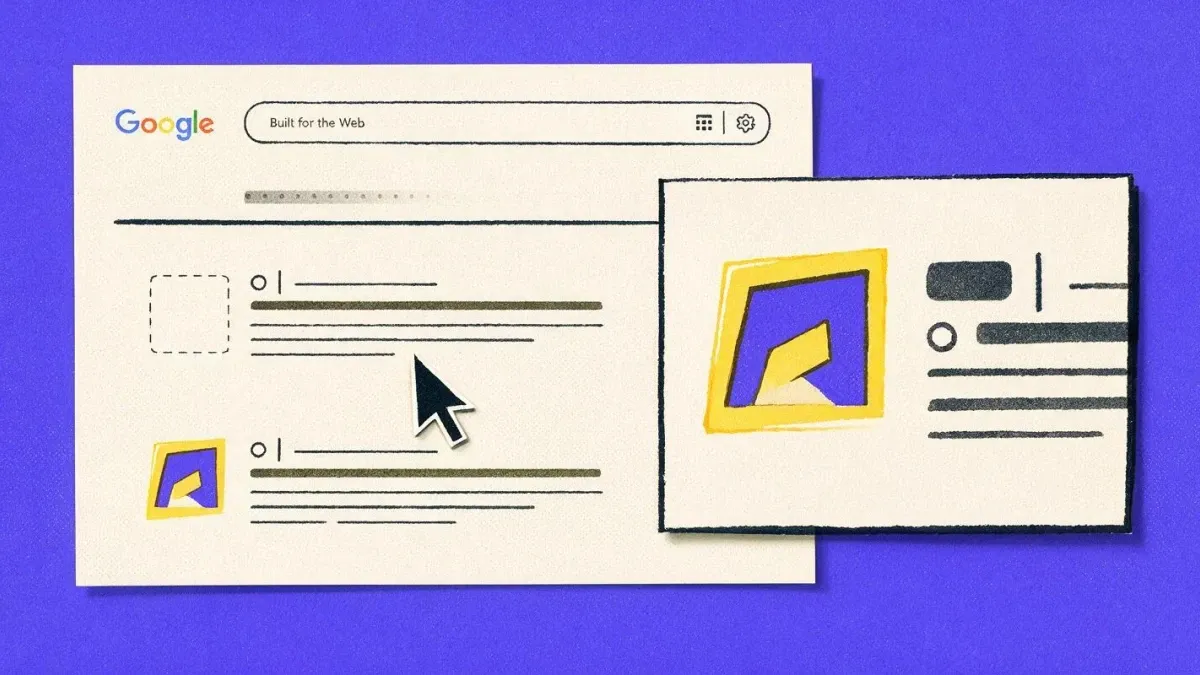
Google favicons disappearing isn’t drama; it’s an ops test. If your little brand square vanishes, your SERP recognition shifts, CTR gets noisy, and teams overreact. Don’t. 👍 This week, stabilize brand cues that don’t depend on the favicon, harden first‑party data so Ads automation doesn’t run on fumes, and time‑box any volatility from announced updates with tight measurement. 💡 I’m tying Barry’s 8/20 roundup into a one‑week playbook that protects brand recognition, proves or disproves CTR changes, and gets “enhanced matching” working for real, without thrashing your titles or turning off automations on a hunch.

// My reaction
overreacting teams

// My reaction
when teams overreact
- Bold ledeFix favicon plumbing, protect brand cues on navigational queries, and baseline CTR by intent/device before touching titles. Verify Consent Mode and hashing so Enhanced Conversions actually fire, and document the update window with page‑type segmentation. Treat SERP design, Ads automation, and updates as one measured system—not three fires.
What Barry flagged and why it matters
Barry highlighted three threads: announced Google updates, favicons disappearing in some result sets, and Google Ads features (AI‑branded bundles and improved matching/measurement). Here’s my practical read, short and to the point.
- Favicons: when they vanish, you lose a tiny brand anchor. Expect noisier CTR, especially on navigational queries. I’ve seen teams overfit titles to compensate; better move is tightening entity and brand signals and monitoring CTR deltas by query intent. Per the article linked, Google acknowledged a favicon display bug on August 21, 2026 and said it was fixed by August 23, 2026, useful context, still not a reason to guess at titles without data (confirmed and fixed). Also, favicon visibility isn’t tied to core updates per John Mueller, so don’t connect dots that aren’t there (not tied to core updates).
- Ads “AI Max” and enhanced matching: naming aside, this points to automated inventory/targeting and stronger use of hashed first‑party data. That raises the bar on consent, tagging, and data quality. Google’s materials cite lift claims for Search campaigns that flip this on (+7% conv/value at similar CPA/ROAS) but only if your inputs are clean (Google’s AI Max claim). Also, per Google’s posts, some campaign setups begin auto‑upgrading to AI Max starting Sept 1, 2026, know where you stand before it happens (auto‑upgrades start). DSA migrations to AI Max are staggered, and their post was updated to extend auto‑upgrades into February 2027, so expect a rolling window, not a single switch (DSA upgrade timeline updated).
- Announced updates: document the window, segment impact by page type and intent, and triage against spam‑policy risk before you touch templates. The August spam update window is listed as Aug 18–21, 2026 in public coverage and Google’s status page (ran Aug 18–21; Search Status Dashboard).
- 01Baseline and annotate
Snapshot CTR by query intent/device and add an annotation for the 8/20 news window
- 02Check favicon plumbing
Confirm icon assets, rel=icon, and noindex/robots aren’t interfering
- 03Tighten titles for nav queries
Add clear site name patterns; avoid keyword stuffing
- 04Verify consent and enhanced conversions
Ensure CMP signals, hashing, and tag mappings are correct
- 05Monitor AI answer inclusion
Use logs and an AI visibility tool to track coverage and snippets
Measurement first. If you can’t show a CTR swing by intent and device, you’re not ready to change titles—or to turn off automation. Test small, reverse fast.
Favicon plumbing checklist
1) 48×48+ square PNG, transparent background; 2) rel=icon on all canonical variants; 3) no robots/noindex on icon or homepage; 4) CDN not blocking Googlebot‑Image; 5) test fetch in URL Inspection.
Enhanced Conversions checklist
1) Hash with SHA‑256 client‑ or server‑side; 2) Map fields correctly (email/phone/address); 3) Respect Consent Mode v2; 4) Validate with tag assistant + Ads diagnostics; 5) Compare modeled vs observed conversions.
Small, reversible moves. Big instrumentation.
Should I change my favicon today?
Validate the asset and tags per Google’s doc. If everything is correct, wait and watch CTR before shipping cosmetic changes (requirements).
How do I know if enhanced matching is working?
Check Ads tag diagnostics, compare modeled vs observed conversions, and verify hashed fields are populating (email/phone/address). If you’re in EEA/UK/CH, ensure Consent Mode v2 is firing or your signals won’t count (Enhanced Conversions; Consent Mode v2).
Could favicon loss impact brand queries more than generics?
Yes. Navigational intent leans on brand cues. Measure those separately by device, and test brand‑forward titles only on nav templates—not site‑wide.
What’s the fastest AI search win here?
Strengthen entity markup, author/org clarity, and consolidate duplicate intent pages. It lifts inclusion more than keyword tweaks. If you need a model, start here: Relevance engineering in AI search.
What I’d do this week
This isn’t about guessing Google’s mood. It’s about tight instrumentation and small, reversible moves.
- Stabilize brand cues without the favicon. Lead with a crisp site name in your title for navigational queries, keep URL paths human, and keep sitelinks clean. If favicons return tomorrow, you haven’t harmed anything. I add brand to home/category templates where nav intent is clear, not site‑wide.
- Validate favicon assets anyway. Use a square transparent PNG, declare rel=icon correctly, serve the file fast from your main host, and don’t block it with robots. Ship it, test it, then move on, because over‑tuning the icon won’t fix a CTR wobble by itself.
- Harden first‑party data. Make sure consent mode fires, forms hash the right fields, and your tags map user input to the expected parameters, then verify against server logs and tag assistant recordings. If enhanced matching is available, don’t enable it until your inputs are clean or you’ll just train the system on bad data.
- Time‑box volatility from announced updates. Annotate the window, segment by query intent and device, and use holdouts before you rewrite templates. I’ll pause any big SEO changes during the window, run spot checks on pages with doorway or thin‑hub risk, and only ship fixes I can reverse in one commit.
