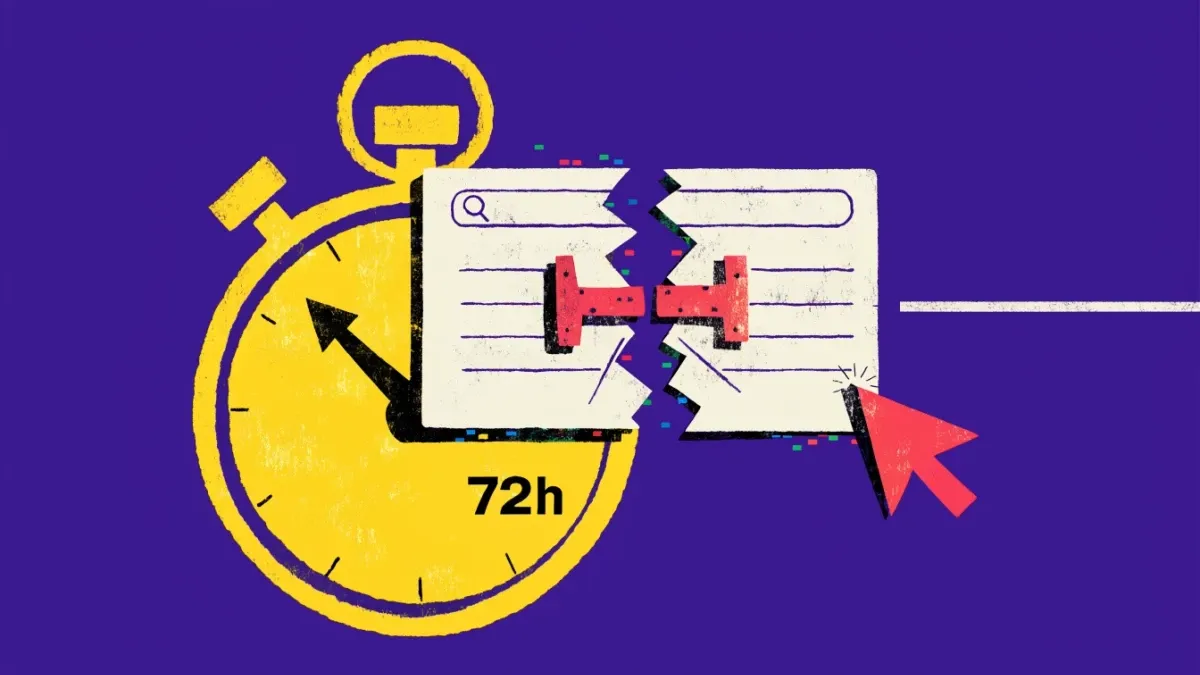
# SEO triage for Google bugs: my 72‑hour playbook 👍⚡
Barry Schwartz just ran through a week of “Google bugs galore, generative AI SEO, missing reviews, Microsoft Max CPC.” Solid signals, no fluff. If you ship changes off noisy telemetry, you’ll pay for it twice, once in lost conversions and again when you have to unwind it. Here’s how I run SEO triage for Google bugs in
- Bold ledeFreeze decisions until your data is honest, then protect review assets and GBP, then make yourself a clean entity for AI answers, then re‑validate paid guardrails.
| Signal to verify | Where I check first |
|---|---|
| Organic click drop | GSC Performance + raw server logs |
| Impression drop in Gen‑AI | GSC Gen‑AI report + anomalies page |
| Crawl health | GSC Crawl Stats + access logs |
| Rank/CTR shifts | Annotated rank tracker + brand SERP spot‑checks |
My rule: no structural changes while telemetry is untrustworthy.
Backup cadence
Weekly export to CSV/JSON from each review source you control; store in a shared, dated folder.
Markup discipline
Stick to item‑level Review markup where you own the review; avoid inflating AggregateRating on list pages.
Response ops
Use short, specific owner replies; track unanswered reviews in a simple queue.
Escalation kit
Before contacting support, compile date‑stamped screenshots, business verification details, and any policy context.
Freeze measurement
- Annotate all tools with the bug dates and labels
- Split branded vs non‑branded across dashboards
- Corroborate with GSC, server logs, and ads data before acting
- Export and back up reviews; maintain provenance
- Keep owner responses active; monitor brand SERP and screenshot deltas
- Document everything for potential support escalation
Harden for AI surfaces
- Tighten entities (About, sameAs, NAP); complete schema on money/reference pages
- Lead with summaries and citeable facts; clean up internal linking in topic clusters
- Validate redirect/parameter handling, sampling, and SERP click parsing after google.com/goto
- See: google goto redirects: stabilize analytics before ai surfaces steal intent
Sanity‑check paid caps
- Verify Microsoft Ads bidding and CPC guardrails; confirm portfolio strategy settings
- Track blended CAC and hold major bid changes until telemetry is clean
- If automation is starved for data, caps are safety gear—not forever, just now
Operate like reviews can vanish and like your data is lying until you prove otherwise. That mindset saves revenue and prevents self‑inflicted wounds while AI surfaces keep shifting.
Should I change site structure during a bug window?
No. Unless there’s a security or legal risk, annotate and wait for clean data.
Are missing reviews gone for good?
Often it’s a display/moderation issue, but outcomes vary. Keep independent backups and evidence; escalate with proof.
How do I see if I show in AI answers?
Track entity coverage and citations; monitor AI Overviews/assistants for brand mentions. In GSC, remember Gen‑AI queries aren’t exposed; check main Performance for odd “AI mode” follow‑ups.
Does schema alone get me into AI results?
No. Schema clarifies entities; authority and content quality still decide inclusion.
Here’s the video Barry posted if you want the source hits while I translate it into action: It's New 8/25: Google bugs galore, generative AI SEO, missing reviews, Microsoft Max CPC, and more. I’m going to show you what I’d do in the next 72 hours so your analytics, revenue, and brand don’t take friendly fire, I learned this the hard way and I don’t repeat avoidable pain.
Short version: stabilize measurement first, then protect reviews and Business Profile, then harden for AI surfaces, and finally sanity‑check paid caps. That order matters more than you think.
What the bugs mean for measurement
Bugs happen. The danger isn’t the bug, it’s the bad decisions you make while the data lies. If Google is glitchy in indexing, reporting, or display, your job is to shrink the blast radius 🧪

// My reaction
When the roof leaks, don’t repaint the floor
What I do immediately:
- Annotate every analytics view and rank tracker with the bug window. If you don’t write it down, you’ll misread trendlines next month and you’ll argue about ghosts.
- Segment branded vs non‑branded traffic. Bugs often hit one surface harder than another, keep them separate or you’ll dilute the signal and fix the wrong thing.
- Cross‑check against independent sources. Use Search Console, server logs, and ad platform data side by side. If two out of three disagree, don’t replatform your site, wait.
- If you rely on GA and you’re getting hammered by Google’s redirect or parameter noise, shore up tracking now. I outlined how to control the “goto” mess here and it still works: google goto redirects: stabilize analytics before ai surfaces steal intent.
My rule: no structural changes while telemetry is untrustworthy.
Reviews and Business Profile: treat them like critical inventory
Missing reviews? Even if it’s just a bug, operate like those assets can vanish. Your Google Business Profile and reviews drive local pack CTR and lead flow, and they’re fragile 🛡️

// My reaction
Treat reviews like critical inventory
Do this now:
- Export and back up your reviews weekly from any platform that allows it. Keep your own canonical store of first‑party testimonials, don’t trust a single vendor.
- Mark up first‑party reviews with correct schema where it’s appropriate and keep a human audit trail of provenance. No aggregate rating spam, no shortcuts, you’ll regret it.
- Keep owner responses active. They’re trust signals and they show up in AI‑style summaries more than you think.
- Monitor your branded SERP for review count swings. Screenshot deltas and timeframes. If you need to escalate to support, evidence decides outcomes.
Generative AI SEO: make yourself a preferred source
Yes, gen‑AI SEO again. Pattern holds: AI surfaces lean on entities, source trust, and structured context. If you want coverage, don’t publish louder, publish clearer 🤖📈
My short list:
- Entity alignment. Make your org, person, and product entities unambiguous with a clean About page, clear sameAs, consistent NAP, publisher metadata. If you haven’t seen it, my field proof is here: does schema markup help ai search? practical proof and metrics.
- Structured data coverage on your money pages and your reference content. Don’t over‑mark, be complete and consistent.
- Summarizable content. Lead with conclusions, then details. AI surfaces quote the top, give them something accurate to lift or they’ll lift someone else.
- Source preference is real. Build topical authority clusters and ship signals that say we’re the home for this subject. I broke down a practical playbook after Marvin Chow’s remarks: How to show up in AI search (my field playbook after Marvin Chow’s chat).
Microsoft Ads Max CPC: quick check so you don’t overpay
Barry notes a Microsoft Ads Max CPC wrinkle. I’m not going to guess specifics without docs, but here’s the safe move for this week. Review all bid strategies and caps. Confirm max CPC limits, portfolio strategies, and campaign‑level overrides, especially if you mirror Google Ads settings 🔧
If you’re multi‑channel, watch blended CAC during this window. If CPCs drift while analytics are noisy, you’ll optimize based on bad deltas and you’ll lock in higher spend for no gain.
My 72‑hour triage, in order
- 01Freeze measurement
Annotate, segment branded vs non-branded, and cross-check GSC, logs, and ad data before acting
- 02Protect GBP and reviews
Export backups, monitor SERP deltas, keep owner responses active, and document changes
- 03Harden for AI surfaces
Tighten entities, complete schema, and lead with clear summaries and citations
- 04Stabilize analytics plumbing
Audit redirects/parameters and sampling; see my goto notes for isolating noise
- 05Sanity-check paid caps
Verify Microsoft Ads bidding and CPC guardrails; track blended CAC
If you need a quick gut‑check while you run this, my public SEO Checklist is the right level of granularity. Marine brain likes checklists for a reason.
The takeaway
When bugs hit, don’t fight the turbulence, shrink your decision window. Stabilize measurement, protect your review inventory, then tune your entity and schema layer so AI surfaces can actually cite you. Once the data’s honest again, scale the work. This is the boring edge that wins in SEO and GEO and AI, controlled telemetry, durable assets, and content machines can parse and humans actually believe.
Should I change site structure during a bug window?
No. Annotate and wait for clean data unless there’s a security or legal risk.
Are missing reviews gone for good?
Often not, but operate as if they could be. Keep independent backups and evidence.
How do I see if I show in AI answers?
Track entity coverage and citations. Monitor AI overviews and assistants for brand mentions and links.
Does schema alone get me into AI results?
No. Schema clarifies entities. Authority and content quality still decide inclusion.
